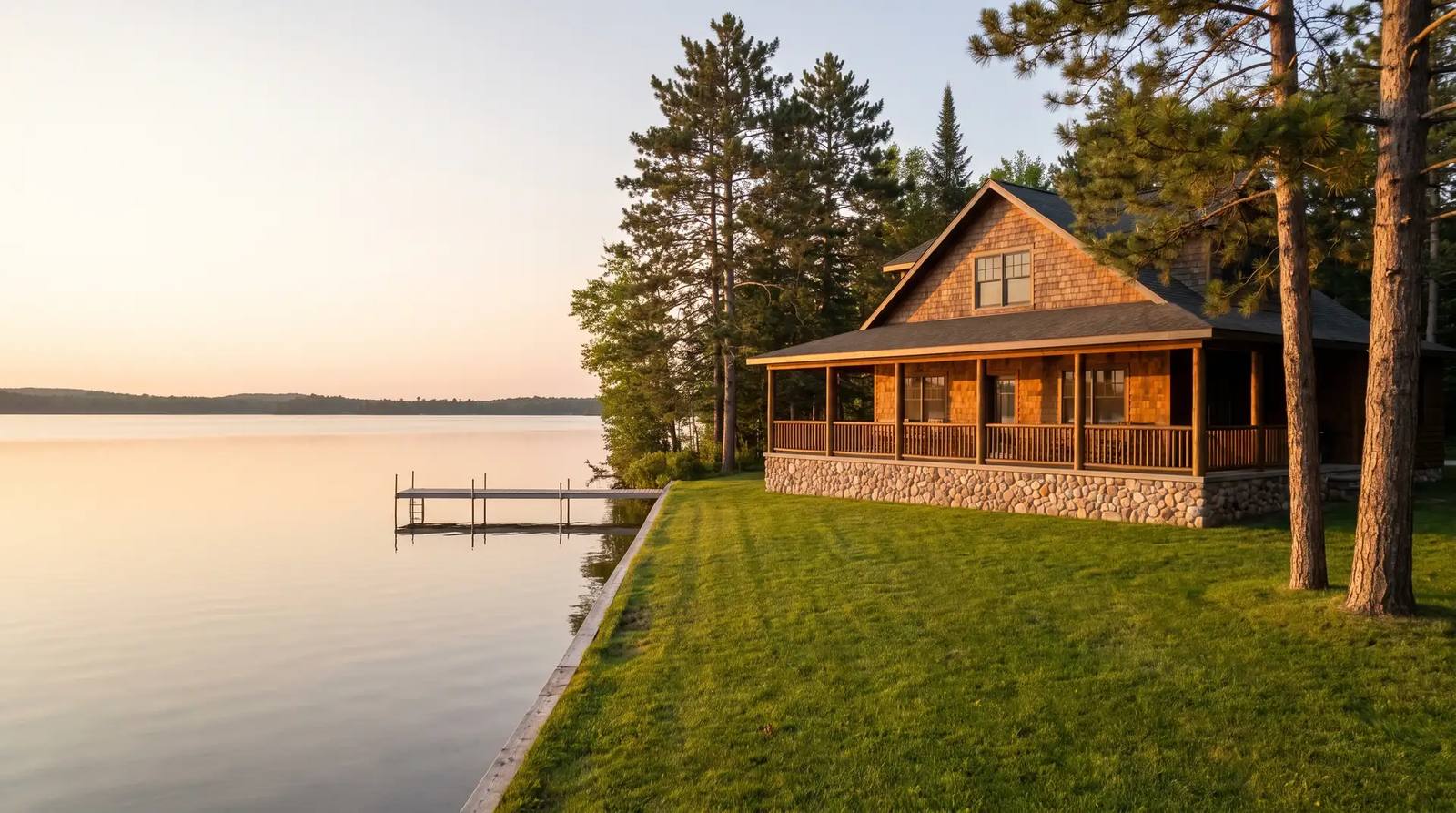
Financing a Vacation Home
What is different about financing a cabin, beach house or mountain property, from occupancy classification to appraisals in thin resort markets.
Written by Bryan Piccolomini, NMLS #228509, a mortgage loan originator with Residential Mortgage, LLC (NMLS #167729), a wholly owned subsidiary of Northrim Bank. Loans are originated through Residential Mortgage, LLC.
Classification comes first
Before anything about the property, the occupancy question has to be settled. Fannie Mae's Selling Guide requires that a second home:
- “must be occupied by the borrower for some portion of the year”
- “is restricted to one-unit dwellings”
- “must be suitable for year-round occupancy”
- “the borrower must have exclusive control over the property”
- “must not be rental property or a timeshare arrangement”
- “cannot be subject to any agreements that give a management firm control over the occupancy”
Two of these catch vacation buyers out. Must be suitable for year-round occupancy
is a real test, and some seasonal cabins do not meet it. And cannot be subject to any agreements that give a management firm control over the occupancy
speaks directly to resort properties enrolled in a rental management program. If the development places the unit in a managed rental pool, that arrangement is the thing to examine first.
Source: Fannie Mae Selling Guide B2-1.1-01, Occupancy Types.
If the plan is really an income property, that is a different loan rather than a problem, and the classification guide walks through the distinction.
Where vacation properties get complicated
Appraisals in thin markets
Appraisal works by comparison to recent nearby sales. Resort and rural markets often have few of them, and the properties are less alike. That produces longer appraisal timelines and more appraisals that need additional work. It is the single most common source of delay on these purchases, and it is worth planning around rather than being surprised by.
Condominium and project review
Condominiums in resort areas carry project-level review in addition to the review of you and the unit. The project's own characteristics can affect which financing is available regardless of how strong the borrower is. Asking about the project early is worth more than almost any other question on a resort condominium purchase.
Property type and access
Log construction, homes on well and septic, properties on shared or seasonal access roads, and unusually large parcels each introduce their own considerations. None of them are disqualifying by default. All of them are better raised before an offer than after.
Insurance
Coastal wind, wildfire and flood exposure all affect what insurance is available and on what terms, and insurance has to be in place at closing. In some markets this has become the binding constraint on the timeline rather than the loan.
The qualifying side is the same
Everything in the second home mortgage guide applies here. You will be measured on both housing payments together, funds have to be documented and sourced, and the down payment is set by the program and your file rather than by one figure. Run the calculators page against a real price before going further.
A practical order
- Settle the occupancy question honestly.
- Run your numbers on both housing payments together.
- Ask about the specific property early, especially if it is a condominium or has an unusual construction or access.
- Get the insurance question moving sooner than feels necessary.
Common questions
Is a vacation home financed differently from a second home?
A vacation home is financed as a second home when it meets the occupancy requirements for that category. The loan mechanics are the same. The differences are usually on the property side, in appraisal, project review and insurance.
Can I finance a cabin that is not usable in winter?
Fannie Mae requires that a second home be suitable for year-round occupancy. A property that is genuinely only usable seasonally may not meet that requirement, which is worth checking before an offer.
What if the resort puts the unit in a rental program?
Fannie Mae's second home requirements say the property cannot be subject to any agreements that give a management firm control over the occupancy. If the development enrolls units in a managed rental pool, that arrangement needs examining first.
Why do vacation home appraisals take longer?
Appraisal relies on recent comparable sales nearby. Resort and rural markets tend to have fewer of them and less similar properties, which extends the timeline and sometimes requires additional work.
Related guides

Ask about the property early
On vacation purchases the property raises more questions than the borrower does. Bring the listing to the first call.